


Apr 08.2022
Glodon Insights on Digitalisation in American Construction Industry
Well into the digital age, technological innovations continue to expand many industry horizons in new ways. Through digitalization, the industry holds the potential for higher productivity, more efficient processes, new business models, and sustainable value chains in US markets.
Glodon provides influential knowledge and thinking on the digitalization trends inside the built environment, such as digital building, BIM, digital twins, sustainability, and asset lifecycle management. Glodon also offers individual BIM-based programming items, in particular, Take-off for Architecture and Structure (TAS), Take-off for Rebar (TRB), and Take-off for Mechanical and Electrical (TMEC).
"Digital technologies are essential to developing the sector, transforming and optimizing every stage and process of the asset life cycle, contributing to a more profitable and resilient industry and a more sustainable built environment," said Pierpaolo Franco, Vice President of Glodon.
The American construction industry has witnessed an acceleration in technology adoption in recent years. Meanwhile, the sector confronts challenges amid the pandemic and geopolitical risks. Workplace safety, data security and privacy, and sustainability issues have also mounted more pressure on the construction industry in the USA.
The U.S. government is recognizing the critical need for digital transformation within the construction industry by allocating funds to promote it. It holds the belief that fostering digital transformation in the construction sector would result in more collaborative, safe, and productive construction projects.
The phrase "digital project delivery" is being promoted by the Federal Highway Administration (FHWA) to describe this new generation of construction. What exactly does the American government have to offer the building sector? A sizable and steady job stream as well as the chance to switch to digital systems The advantages of digital construction—increased productivity, lower project costs, improved schedule adherence, safety, and notably data sharing—can then be realized by both parties.
According to a McKinsey global survey, “digital transformation can result in cost reductions in the range of 4% to 6% and productivity gains of about 15% for construction companies.”
Even though 44% of project managers do not agree that software should be utilized to manage projects, PWC (Pricewaterhouse Coopers) reports that 77% of high-performing projects use it.
Another benefit of the digital transition is that younger, tech-savvy workers will consider the industry more appealing. Infrastructure projects will be completed with more effectiveness and efficiency and more closely adhere to project budgets and timelines.
The fact that contractors and state agencies will increasingly share information via cloud-based solutions is perhaps the largest benefit.
The groundbreaking issue of Glodon focuses on a renewed approach to designing, constructing, and managing the built environment with digital twin technology, responding to some of the challenges.
It suggests that construction professionals should be more prepared and comfortable with updating and upgrading digital twin systems through the project lifecycle to deliver built assets that are economically viable and socially and environmentally positive for current and future generations.
The
main content from the research of Glodon includes:
Ø
Construction
Industry Confronts Major Challenges Amid Pandemic and Geopolitical Risks
Ø
Understand
the Current Status of Digital Twins in the Construction Sector
Ø
Developing
and Using Digital Twins from Design to Handover
Ø Thinking about Digital Twins for Smart Built Environment
About Glodon
Glodon provides services across the whole building
lifecycle. Glodon supports more than 340,000 enterprises through more than 80
subsidiaries spread over more than 100 countries and regions. Based on
construction industry demands, the company provides a digital construction
platform with expert assistance, such as engineering digitalization,
construction program upgrading, software development, software management,
industrial consultation, and many more.

Other News

Jan 24.2022
Switching construction production mode to digital twin construction

Jun 13.2022
Survey to Understand Using of Digital Twins in Construction Sector
Mar 31.2022
ConstructionDigital Transformation
Digital building and 7 technologies enable digitalization in construction sector
Nov 11.2022
Glodon Digital Transformation Insights Shared at Smart Buildings Conference 2022
Aug 09.2022
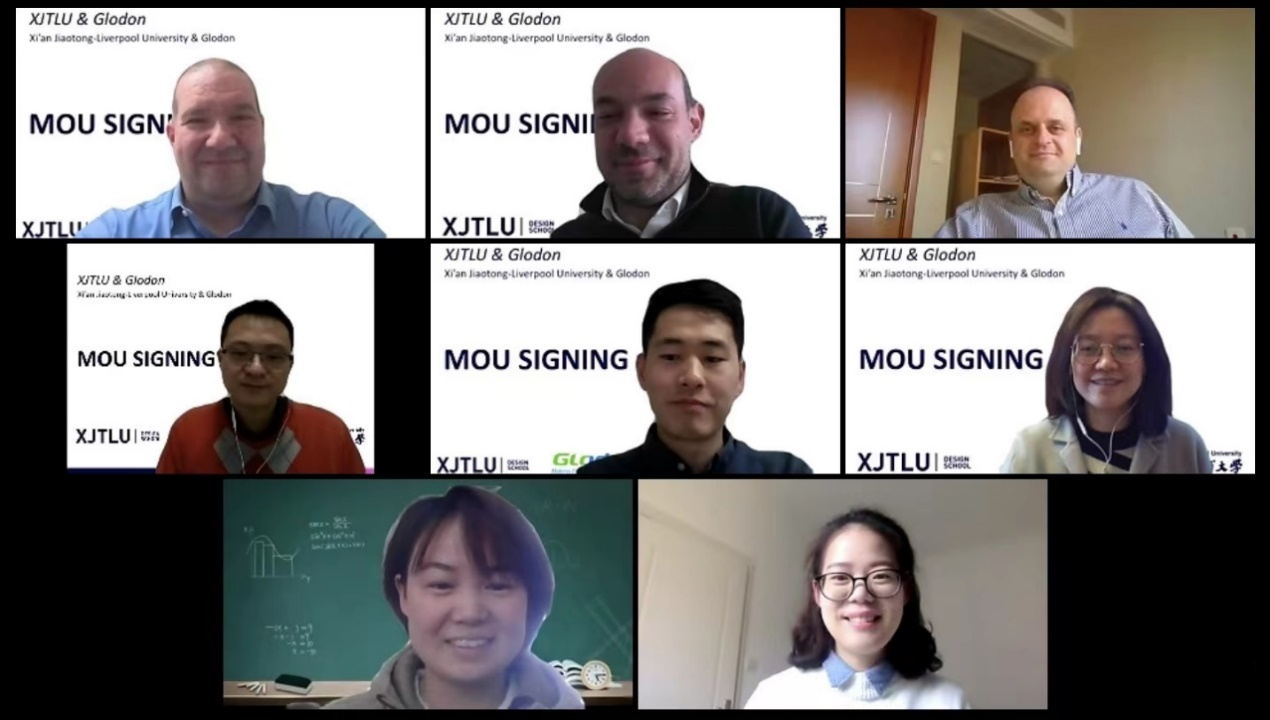
Glodon Advances Industry-university-institute Cooperation with Xi'an Jiaotong-Liverpool University
Sep 21.2023
AI's Transformative Power on Sustainable Construction Practices Across the Building Lifecycle
Jul 30.2021
ConstructionDigital Transformation
Empowering the Industry with Digital Building: How We Build in the Future
Jun 01.2022
Unleash Full Potential of Digital Twins Beyond Asset Operation and Maintenance in Construction
May 16.2023
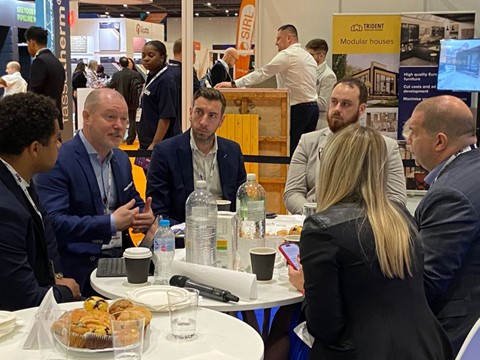
Glodon Highlights the Power of Digitalisation at UK Construction Week
Aug 02.2022